Buying guide
How to choose a coffee maker with less plastic
A practical guide to finding a coffee maker that reduces plastic contact with hot water, without compromising on good coffee.
Updated September 2026 · 8 min read
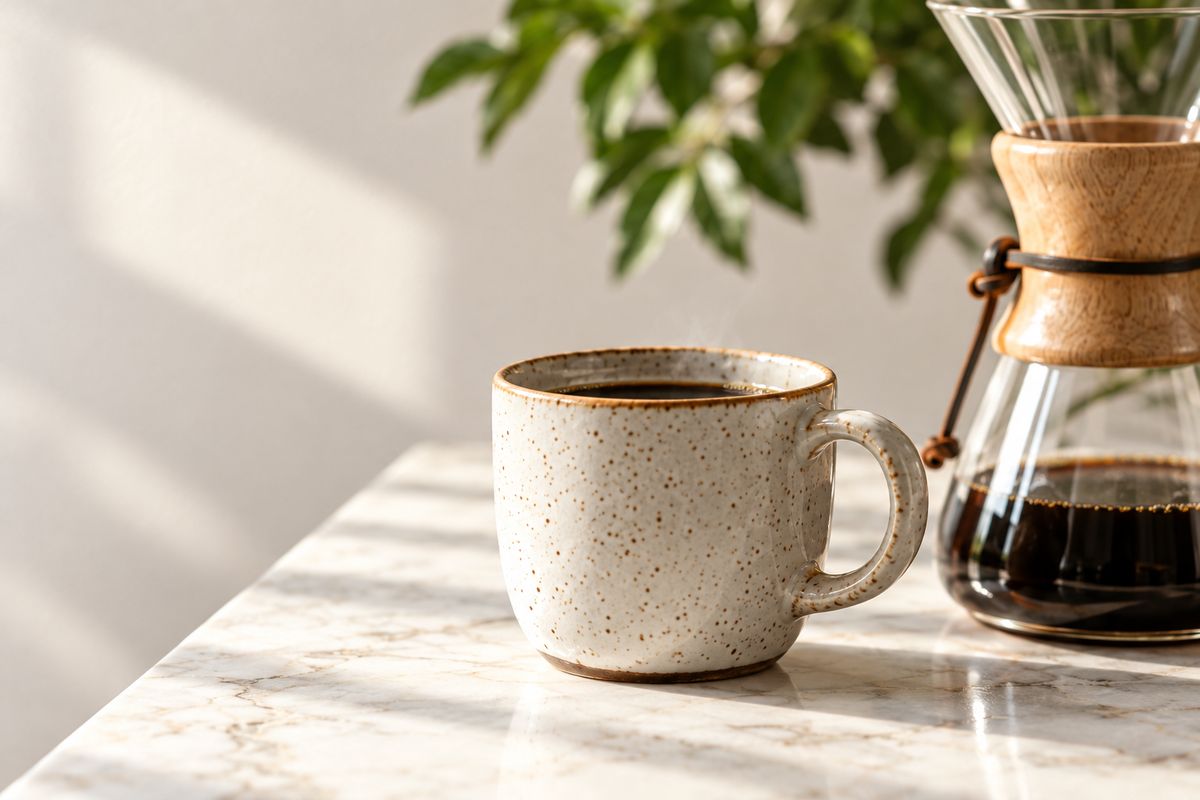
In short
What matters most
Focus on the parts that hot water actually touches. The heating tube, shower head, brew basket and carafe lid matter more than the material used on the outside of the machine.
- Less plastic in the hot-water path
- Clear, practical advice
- Better informed buying decisions
Why the hot-water path matters
A coffee maker can look like stainless steel and still use plastic tubing inside.
The better question is: what does the hot water actually touch?
That’s why we look beyond the outside of the machine and focus on the path water takes from the reservoir to your cup.
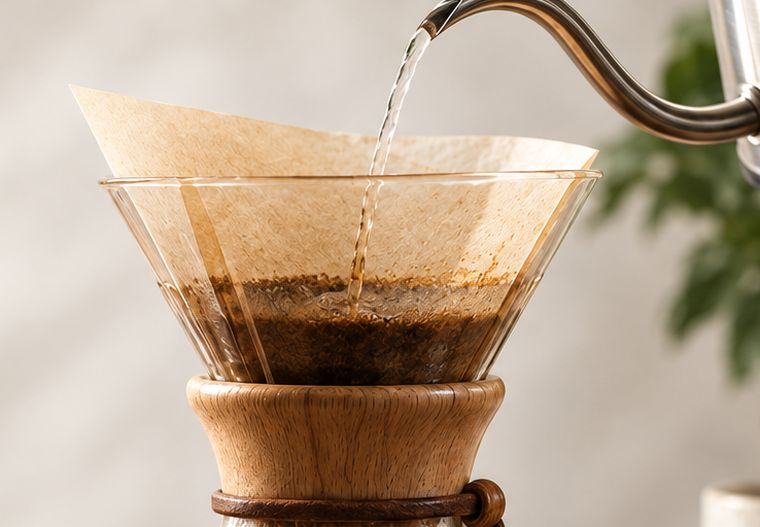
The key parts to check
These are the parts that matter most when comparing coffee makers.
Water tank
Usually holds cold water, so it matters less.
Heating element & tube
Where water becomes hottest.
Shower head
Distributes hot water over the grounds.
Brew basket
Keeps hot water in contact with the coffee.
Carafe & lid
Brewed coffee may still pass over plastic parts.
Brewing methods compared
Different brewing methods use very different designs. Simpler brewers often have fewer internal parts, making it easier to see what the water touches.
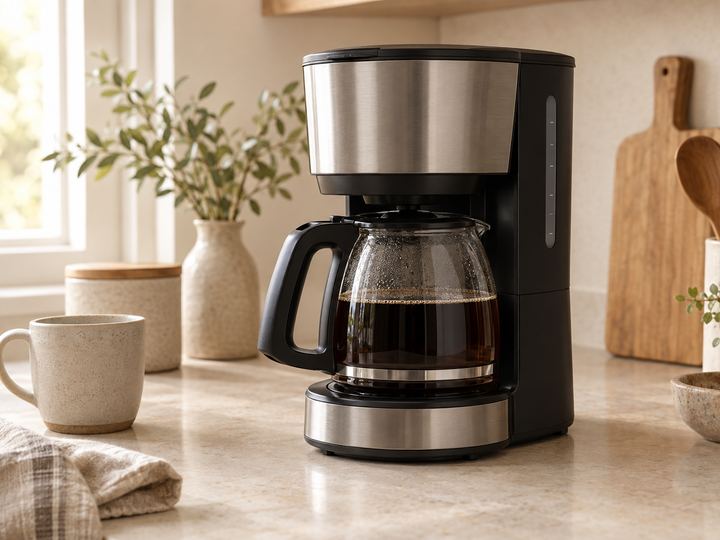
Drip coffee makers
Convenient & reliable
Easy everyday brewing, but internal tubing and shower heads can be harder to inspect.
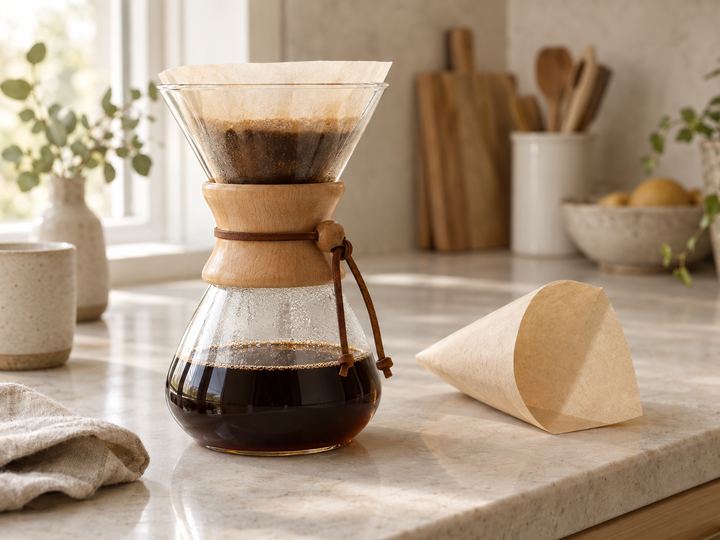
Pour-over coffee makers
Simple & clean
Short water paths and fewer parts make them one of the easiest options to assess.
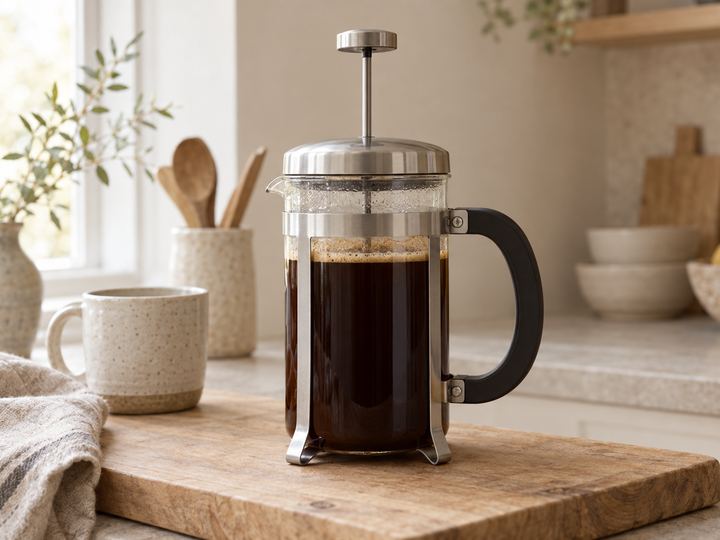
French press
Bold & minimal
No internal heating system or hidden tubing.
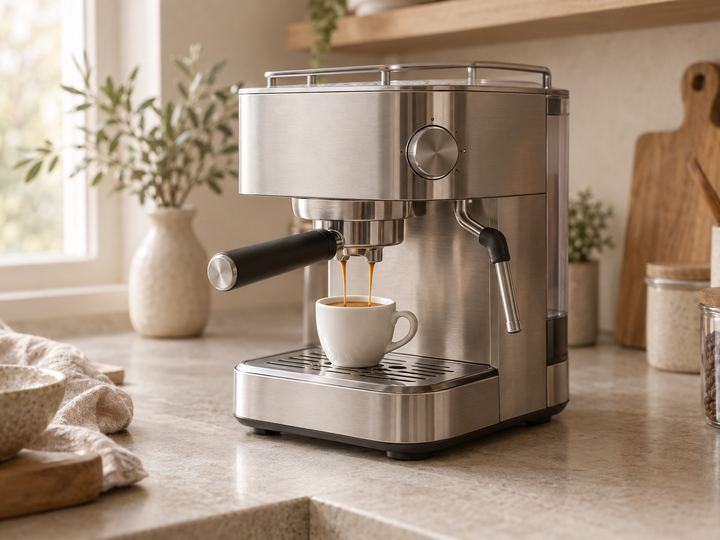
Espresso machines
Powerful & precise
More complex internally, so materials deserve closer inspection.
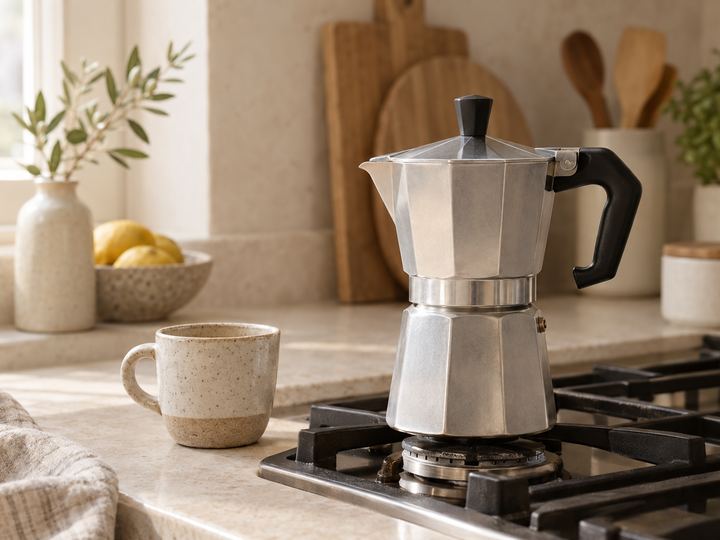
Stovetop coffee makers
Durable & straightforward
Simple construction with relatively few components.
What to look for before buying
Before choosing a coffee maker, check:
- Hot-water path
- Internal tubing
- Shower head material
- Brew basket material
- Carafe lid and spout
- Replaceable parts
- Clear material specifications
And remember: BPA-free does not mean plastic-free.
Our coffee maker recommendations
We review coffee makers based on more than appearance.
We look at brewing performance, build quality, usability and, importantly, the materials used in the parts that come into contact with hot water.
Frequently asked questions
- Are there completely plastic-free coffee makers?
- Some manual brewing methods can get very close, particularly glass, ceramic and stainless-steel pour-over brewers, French presses and stovetop coffee makers. Electric machines are more complicated and may contain plastic or silicone components internally even when the exterior is mostly metal.
- Is a stainless-steel coffee maker plastic-free?
- Not necessarily. Stainless steel may describe the body, boiler or carafe while internal tubing, the shower head or other components are still made from plastic or silicone.
- Does a plastic water tank matter?
- It can matter, but it is usually less important than components exposed to very hot water. The heating tube, shower head and brew basket deserve more attention when comparing machines.
- What does BPA-free mean?
- BPA-free means the product does not contain bisphenol A in the relevant material. It does not mean the product contains no plastic.
- Which brewing method uses the least plastic?
- Simple manual methods such as pour-over brewers, French presses and moka pots often use fewer plastic components because their brewing paths contain fewer parts.
Ready to choose?
Find the right coffee maker for you
Explore our independent coffee maker reviews and recommendations across different brewing methods and budgets.